Air Cooler Types: Complete Guide & Comparison

All Categories

Get a Free Quote

Our representative will contact you soon.
Email
Name
Company Name
Message
0/1000

air cooler types

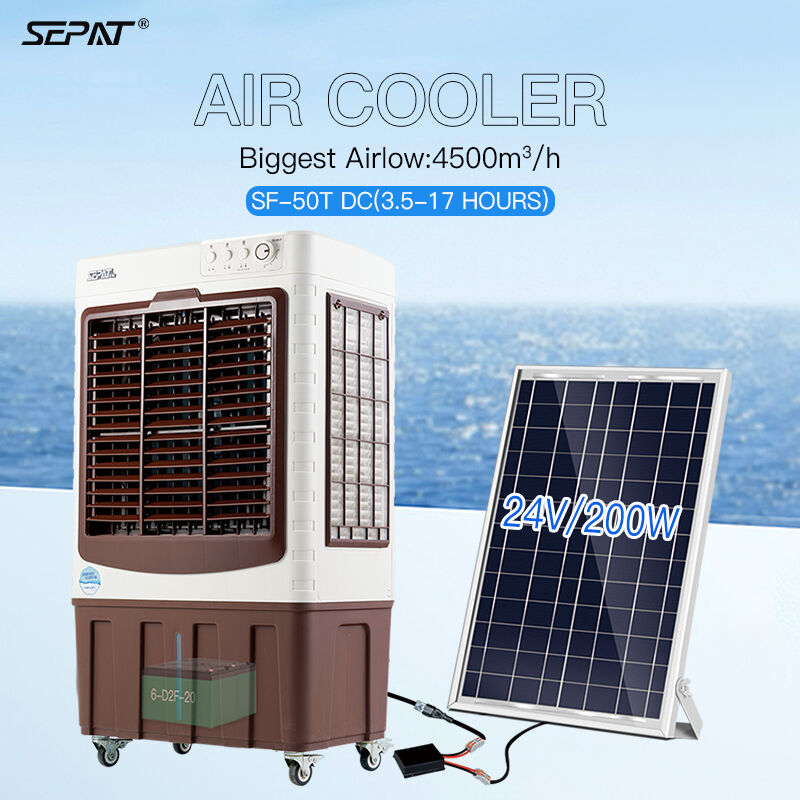
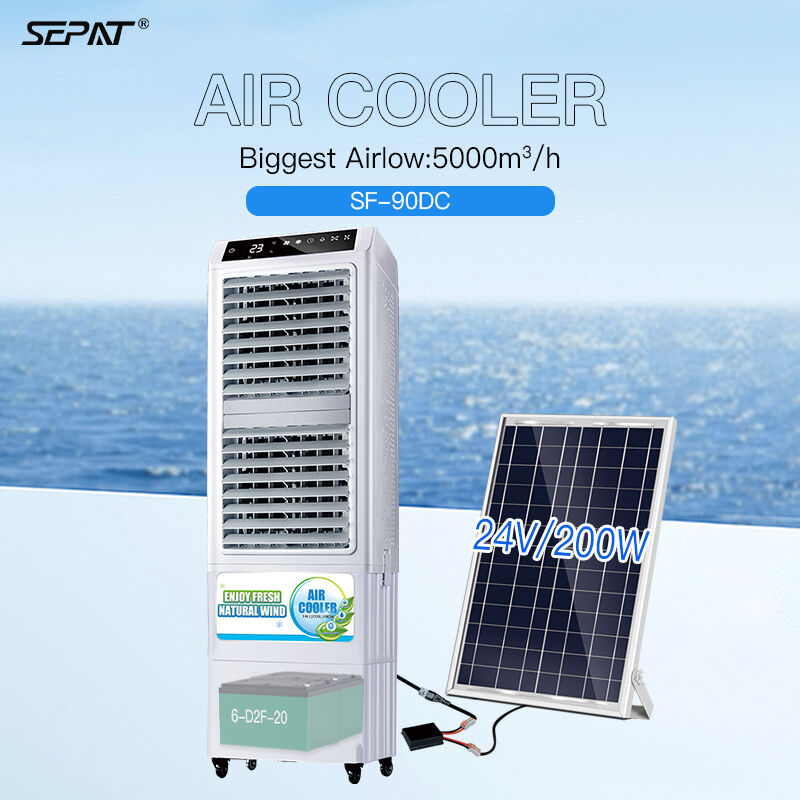
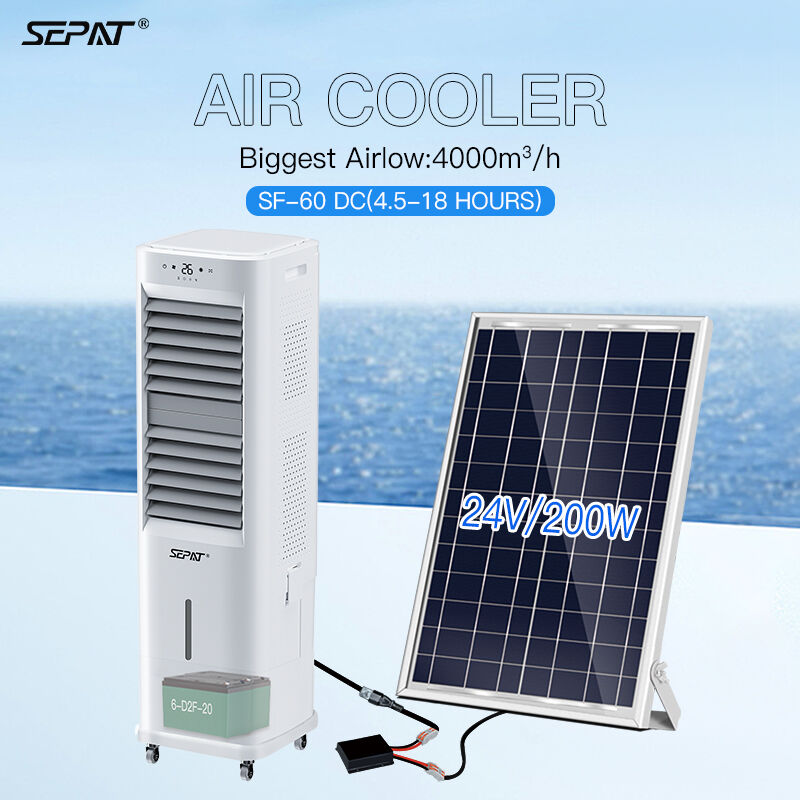
Air cooler types represent diverse cooling solutions designed to reduce temperatures efficiently across residential, commercial, and industrial environments. Understanding the various air cooler types available helps consumers select the most appropriate cooling system for their specific needs. The primary air cooler types include evaporative air coolers, personal air coolers, desert air coolers, tower air coolers, window air coolers, and industrial air coolers. Each category serves distinct cooling requirements with unique operational mechanisms. Evaporative air coolers utilize water evaporation principles to lower air temperature naturally, making them energy-efficient alternatives to traditional air conditioning systems. Personal air coolers offer compact, portable cooling solutions ideal for individual spaces and small rooms. Desert air coolers feature powerful airflow capabilities and large water tanks, perfect for hot, dry climates where evaporative cooling performs optimally. Tower air coolers provide sleek, space-saving designs suitable for modern interiors while delivering effective cooling performance. Window air coolers mount directly onto window frames, maximizing floor space utilization. Industrial air coolers deliver high-capacity cooling for warehouses, factories, and large commercial spaces. The technological features across different air cooler types include honeycomb cooling pads for enhanced evaporation, variable speed settings for customized airflow control, dust filters for improved air quality, and ice chambers for intensified cooling effects. Applications span residential bedrooms, living rooms, offices, retail establishments, manufacturing facilities, outdoor events, and agricultural operations. Selecting among air cooler types depends on room size, climate conditions, portability requirements, and budget considerations.
New Products

Choosing the right option among air cooler types delivers substantial practical benefits that directly impact your comfort and operational costs. These cooling solutions consume significantly less electricity compared to conventional air conditioning systems, reducing energy bills by up to seventy percent while providing effective temperature reduction. This cost efficiency makes air cooler types accessible to budget-conscious buyers seeking affordable cooling without compromising performance. The operational simplicity of various air cooler types ensures hassle-free usage, requiring minimal technical knowledge for installation and maintenance. Most models feature straightforward controls, easy-fill water tanks, and removable filters that simplify cleaning processes. The portability inherent in many air cooler types allows users to relocate cooling power wherever needed, from bedrooms to patios, maximizing investment value. Environmental consciousness drives many buyers toward air cooler types because these systems use natural water evaporation rather than harmful refrigerant chemicals, supporting sustainable living practices while maintaining indoor comfort. The dual functionality of air cooler types provides both cooling and humidification, particularly beneficial in dry climates where adding moisture improves air quality and respiratory comfort. Different air cooler types accommodate varying space constraints, from compact personal units for desks to powerful industrial models for expansive areas, ensuring application suitability across diverse settings. The low maintenance requirements of air cooler types translate to reduced long-term ownership costs, with simple component replacements and infrequent servicing needs. Fresh air circulation distinguishes air cooler types from sealed air conditioning systems, continuously introducing outdoor air rather than recirculating stale indoor air, promoting healthier living environments. Decision-making becomes easier when understanding that air cooler types offer immediate cooling without complex installation procedures, unlike split systems requiring professional setup and permanent mounting.

Practical Tips

New Innovations in Evaporative Air Coolers at Our Company

29

Aug

New Innovations in Evaporative Air Coolers at Our Company

View More
Enhancements in Electric Heaters for Industrial Applications

01

Sep

Enhancements in Electric Heaters for Industrial Applications

View More
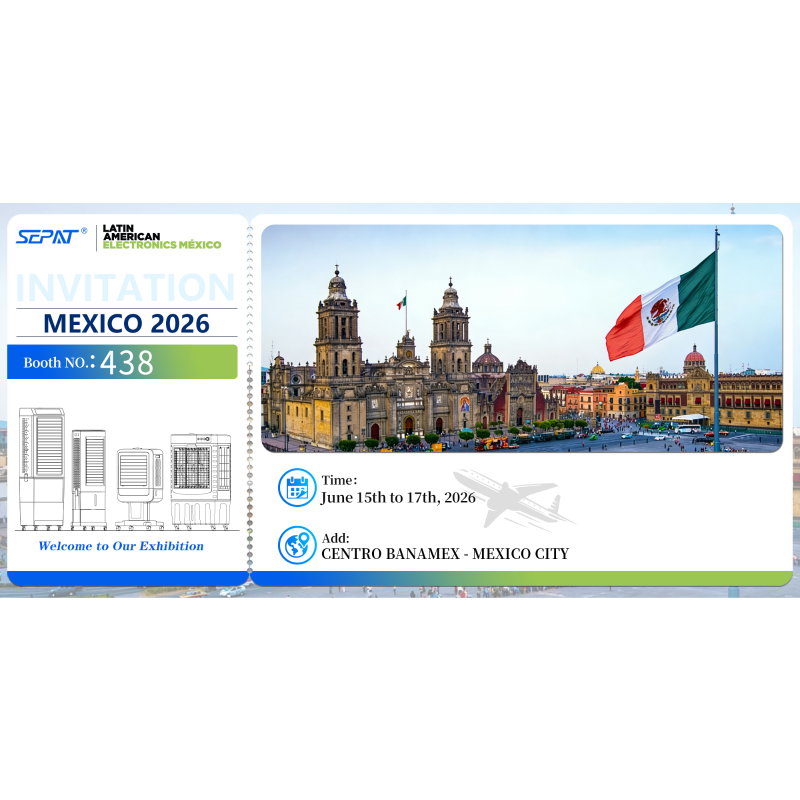
The Ultimate Cooling Revolution: SEPAT at Latin American Electronics Mexico 2026

04

Jun

The Ultimate Cooling Revolution: SEPAT at Latin American Electronics Mexico 2026

View More
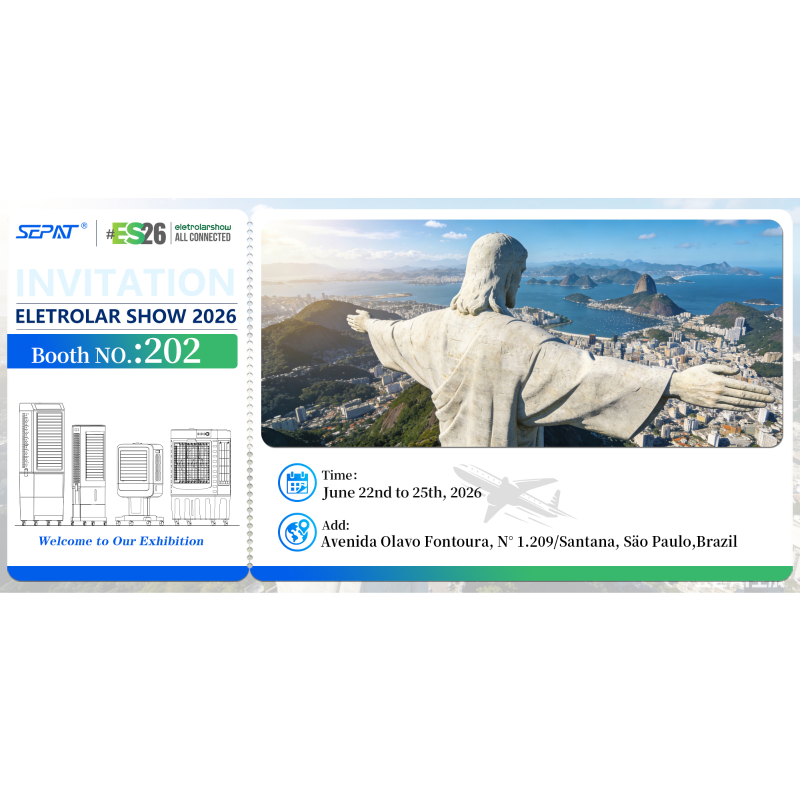
Experience the Future of Sustainable Cooling: SEPAT® Invites You to Booth 202 for the Latest in Evaporative Air Cooler Innovation

04

Jun

Experience the Future of Sustainable Cooling: SEPAT® Invites You to Booth 202 for the Latest in Evaporative Air Cooler Innovation

View More

Get a Free Quote

Our representative will contact you soon.
Email
Name
Company Name
Message
0/1000

air cooler types

Energy Efficiency and Cost Savings

Energy Efficiency and Cost Savings

The superior energy efficiency of air cooler types stands as their most compelling advantage for cost-conscious consumers seeking sustainable cooling solutions. Unlike traditional air conditioning systems that consume substantial electricity through compressor operation, air cooler types utilize simple fan motors and water evaporation processes that require minimal power input. This fundamental operational difference translates to electricity consumption reductions reaching seventy to eighty percent compared to conventional cooling methods, directly impacting monthly utility expenses. For households and businesses operating cooling systems throughout warm seasons, these savings accumulate significantly over time, often recovering the initial investment within a single year. The economic benefits extend beyond operational costs, as air cooler types typically carry lower purchase prices than air conditioning units of comparable cooling capacity. Maintenance expenses remain minimal due to straightforward mechanical designs with fewer complex components prone to failure. The environmental benefits complement financial savings, as reduced electricity consumption decreases carbon footprints and supports eco-friendly lifestyle choices. This combination of immediate cost reduction, long-term savings potential, and environmental responsibility makes air cooler types particularly attractive to value-oriented buyers balancing performance needs with budget constraints and sustainability goals.
Versatile Application Across Multiple Environments

Versatile Application Across Multiple Environments

The remarkable versatility characterizing different air cooler types enables effective deployment across diverse environments and usage scenarios that other cooling solutions cannot address adequately. Residential applications benefit from air cooler types ranging from compact personal units for individual rooms to powerful desert coolers for whole-home cooling, accommodating various household sizes and layouts. Commercial establishments including restaurants, retail stores, and office spaces utilize air cooler types to maintain comfortable customer and employee environments without incurring prohibitive air conditioning costs. Industrial facilities such as warehouses, manufacturing plants, and workshops employ specialized air cooler types designed to handle large open spaces where traditional cooling proves impractical or economically unfeasible. Outdoor applications represent another unique advantage, as air cooler types function effectively in semi-open spaces like patios, garages, and event venues where air conditioning cannot operate efficiently. Agricultural operations use air cooler types to regulate temperatures in greenhouses and livestock facilities, supporting optimal growing conditions and animal welfare. The portability featured in many air cooler types facilitates seasonal relocation and multi-room usage, allowing single units to serve different spaces as needs change throughout the year. This adaptability ensures that investments in air cooler types deliver maximum utility across changing circumstances and multiple applications.
Health Benefits Through Natural Air Circulation

Health Benefits Through Natural Air Circulation

The health advantages provided by air cooler types distinguish them from sealed cooling systems through continuous fresh air circulation and natural humidification processes. Unlike air conditioners that recirculate the same indoor air repeatedly, air cooler types constantly draw fresh outdoor air through moistened cooling pads, introducing oxygen-rich air while expelling stale indoor air. This continuous ventilation reduces indoor pollutant concentrations, allergen accumulation, and airborne pathogen levels, creating healthier living and working environments. The natural humidification occurring in air cooler types adds beneficial moisture to dry air, particularly valuable in arid climates where low humidity causes respiratory discomfort, dry skin, and static electricity problems. This moisture addition helps maintain optimal humidity levels between forty and sixty percent, supporting respiratory health and overall comfort without creating excessive dampness. Air cooler types equipped with dust filters and cooling pads trap airborne particles, pollen, and contaminants during air intake, providing basic air purification alongside cooling functions. The absence of refrigerant chemicals in air cooler types eliminates exposure risks associated with coolant leaks, supporting healthier indoor environments free from synthetic substance concerns. For individuals with respiratory sensitivities or those prioritizing natural cooling methods, air cooler types offer compelling health-conscious alternatives to chemical-based cooling systems.
Air Cooler Types: Complete Guide & Comparison

Get a Free Quote

Our representative will contact you soon.
Email
Name
Company Name
Message
0/1000